
Leaks and pipe repairs
Tracing and repairing leaks from visible supply pipes, joints, waste connections and plumbing fittings. Where pipework is concealed, the likely access requirements are discussed before intrusive work starts.
Serving Basingstoke, England & surrounding areas
24/7 Emergency Response
Local plumbers · Chineham
Reliable help with leaks, faulty fittings, blocked pipework, plumbing installations and routine maintenance for local homes and businesses.
 Chineham home
Local plumbing support
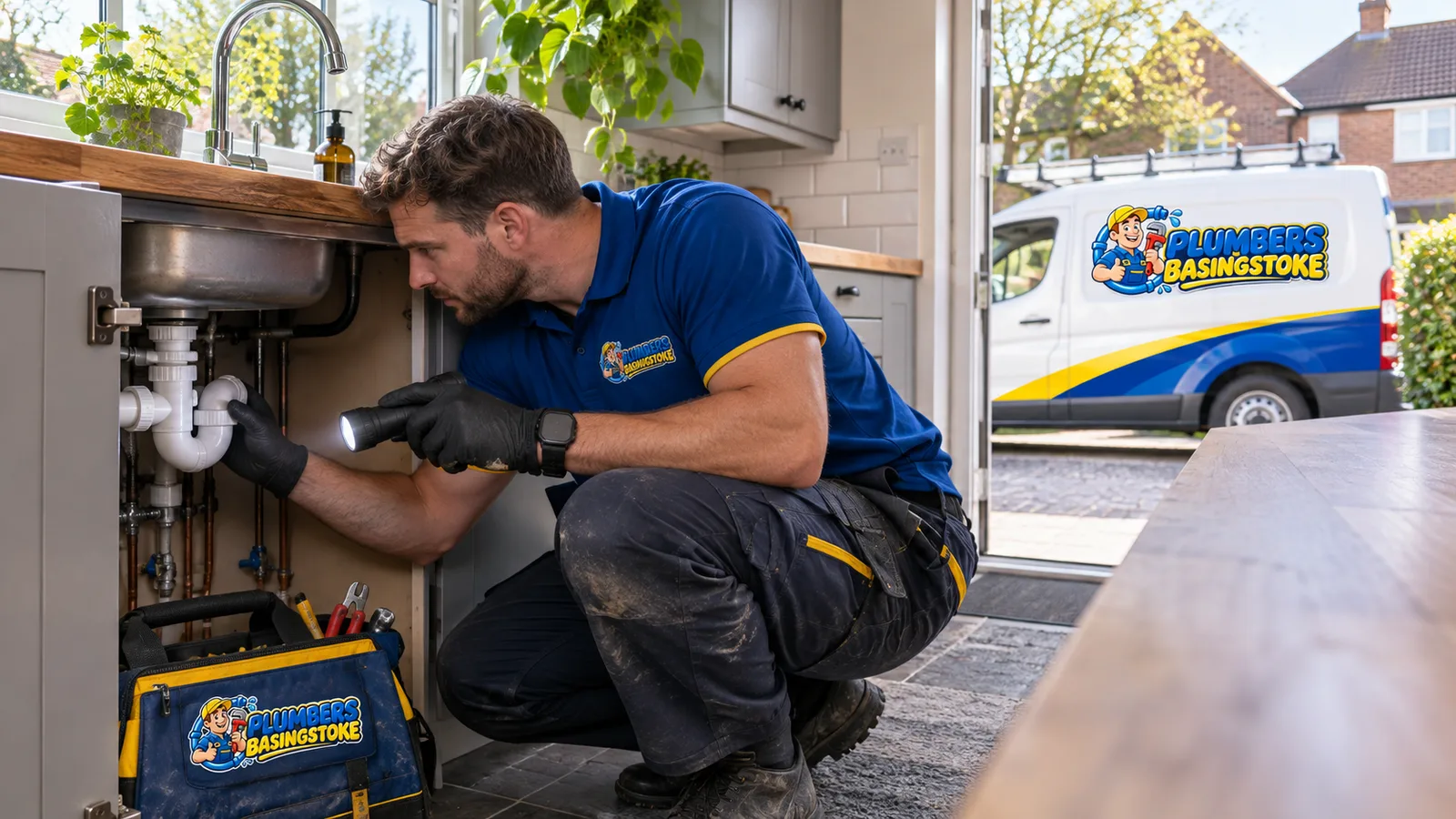
When you need plumbers in Chineham, Basingstoke, you want someone who can identify the fault, explain the options and complete the agreed work carefully. Plumbing Basingstoke handles everyday plumbing work for homes, landlords and commercial premises, including leaking pipes, dripping taps, faulty toilets, damaged fittings and new appliance connections.
We check the affected fitting and connected pipework before recommending a repair or replacement. A damp patch, for example, can come from a supply pipe, waste connection, failed seal or water tracking from another location. Correct diagnosis helps avoid unnecessary work and gives you a clearer basis for deciding whether a repair or replacement is the better option.
Chineham includes established residential streets, newer developments and commercial premises around Chineham Business Park. Access, pipe routes and plumbing layouts can vary between these properties, so the first step is to understand the building and the symptoms. We agree the scope before work begins and flag any additional issue that becomes visible once a fitting or panel is removed.
Plumbing repairs and maintenance
Tracing and repairing leaks from visible supply pipes, joints, waste connections and plumbing fittings. Where pipework is concealed, the likely access requirements are discussed before intrusive work starts.
Repair or replacement of dripping taps, leaking traps, faulty flush valves, fill valves, toilet seals and other worn components. The condition and availability of parts help determine the practical option.
Plumbing for sinks, taps, washing machines and dishwashers, including suitable water feeds, isolation valves and waste connections. Existing pipework is checked before a new appliance or fitting is connected.
Installation and repair work for basins, baths, showers and toilets. This can include changing fittings, renewing seals and adjusting associated pipework within the agreed plumbing scope.
Checks for weak flow, noisy pipework, sticking valves and localised pressure problems. Diagnosis may include comparing outlets and inspecting isolation valves, tap cartridges, filters and accessible supply pipes.
Routine checks and repairs for homeowners, landlords and businesses, with attention to visible leaks, stiff valves, deteriorated seals and fittings that are approaching the end of their useful life.
Fault finding and repair
Good plumbing work starts with diagnosis. We ask when the issue began, whether it is constant or intermittent, and which outlets or appliances are affected. A single slow basin may point to a local trap or waste obstruction, while several affected fixtures can indicate a fault farther along the system.
The plumber then checks relevant accessible components. Depending on the symptoms, that can include isolation valves, flexible hoses, compression fittings, traps, waste pipes, cistern mechanisms and silicone seals. If water needs to be isolated, we identify the appropriate valve and confirm that it operates correctly before dismantling anything.
Repair is often sensible when the fitting is serviceable and compatible parts are available. Replacement may offer better value when a component is badly corroded, repeatedly fails or cannot be repaired reliably. You receive a clear explanation of the findings and the proposed work, including any access or reinstatement that may be needed.
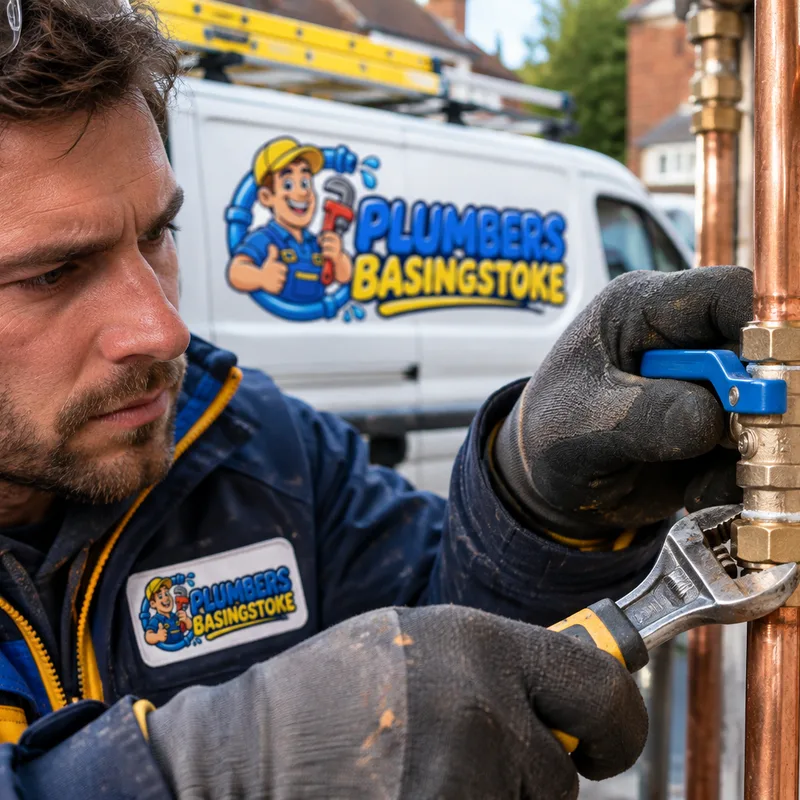
Tell us what you have noticed, where it is happening and whether there is active water escape. Photos can be useful when the fitting or damaged area is visible.
We consider the type and urgency of the fault, access to the property and any information about isolating the water supply.
The plumber checks the affected fitting and associated accessible pipework. Testing is kept focused on the reported symptoms and any related signs found during inspection.
The recommended repair or installation is explained before it proceeds. If further work or a special-order part is required, the next step is set out clearly.
Connections are checked for leaks, outlets are operated and waste flow is tested where relevant. The work area is left tidy, and any follow-up advice is explained.
Chineham property knowledge
Plumbing arrangements can differ even between neighbouring properties. Extensions, replacement kitchens and previous repairs may have altered the original pipe routes. Some isolation valves are hidden behind appliances or inside fitted units, while boxed-in pipework can restrict inspection and repair access. These details affect the time, method and materials needed.
For properties near Chineham Business Park, access arrangements and the impact on staff or customers may need to be planned before water is isolated. In occupied homes, protecting floors and keeping essential facilities usable can be equally important. If a fitting cannot be repaired during the initial visit, we explain whether it can remain in use safely and what preparation is needed for the return work.
Cold weather in Hampshire can expose poorly insulated pipework in garages, lofts and external areas. A frozen pipe should not be heated with a naked flame. Once thawed, it must be checked because splits and failed joints may only leak when normal pressure returns. Accessible vulnerable pipework can often be protected with suitable insulation, although outdoor taps and unheated spaces still need sensible winter precautions.
Suitable materials and testing
The correct material depends on the existing system, the fitting and its location. Common domestic pipework includes copper and approved plastic systems, but components from different systems must not be mixed without compatible adaptors. Connections also need appropriate support so strain is not transferred to valves, taps or appliance hoses.
Waste pipes rely on sound joints, suitable falls and clear routes. A loose trap or poorly aligned waste connection can leak even when the components are new. Supply connections need correctly prepared pipe ends, sound seals and accessible isolation where required. After work is completed, the relevant outlets and joints are tested under normal operating conditions.
Plumbing Basingstoke can also discuss small preventive improvements while dealing with the immediate fault, such as replacing a seized local isolation valve or a visibly deteriorated appliance hose. Recommendations are kept relevant to the work and the observed condition of the installation.
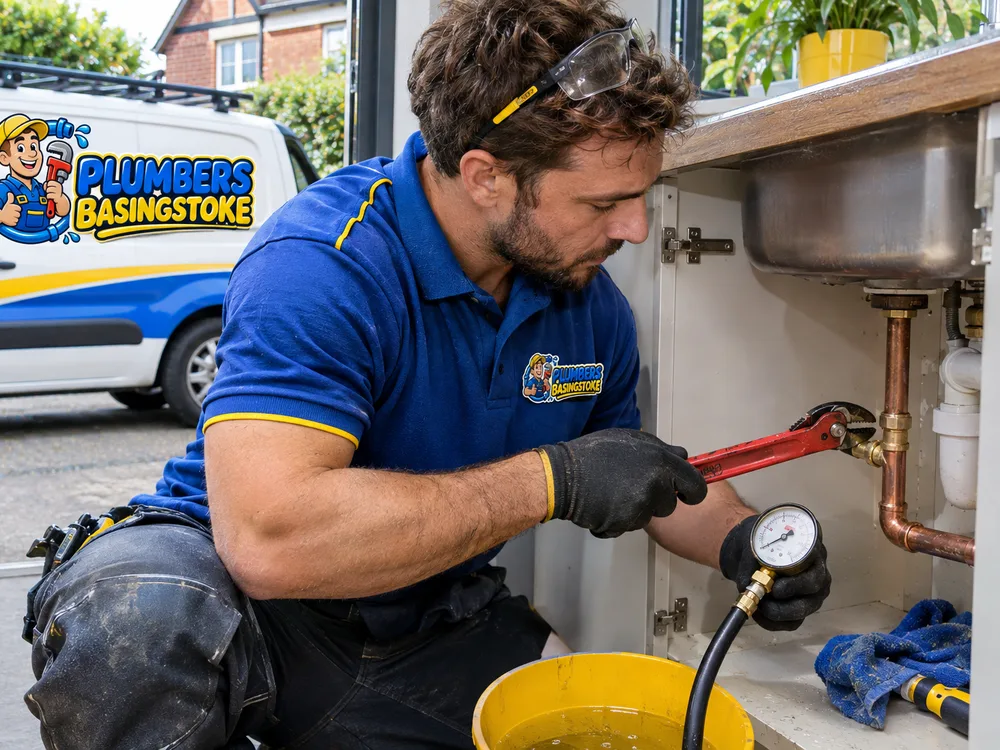
Describe the plumbing issue, when it started and whether water is actively escaping. We will use those details to plan the right type of visit.
Call for Emergency HelpCommon questions
Attendance depends on the urgency, location and current workload. Active leaks that cannot be safely contained should be described clearly when you get in touch. If possible, turn off the relevant isolation valve or the internal stop tap, protect nearby belongings and avoid electrical fittings affected by water.
The main cost factors are diagnosis time, access, labour, parts and whether water isolation or follow-up work is required. A visible leaking trap is usually simpler to assess than pipework concealed behind fitted units or finished surfaces. The scope and price are confirmed before the agreed repair proceeds.
A dripping tap can often be repaired if the body is sound and the correct cartridge, washer or valve component is available. Replacement may be more practical for a badly corroded tap or an older model with unavailable parts. The water supplies must also isolate correctly before either option can be completed.
Yes, plumbing visits can be arranged for rented homes and commercial premises in Chineham. Clear access instructions, occupant or tenant details and permission for the agreed work help the visit run efficiently. Business premises may also need water isolation timed to limit disruption.
Clear access to the affected fitting and locate the internal stop tap if you know where it is. Avoid dismantling pressurised fittings or using chemical drain cleaners before the visit, as this can create a safety risk. Keep photos, model details and notes about previous repairs available if relevant.
Yes, a plumber can investigate low flow at a single tap, shower or appliance connection. Local causes include a partly closed isolation valve, blocked filter, worn cartridge or restricted flexible hose. If several outlets are affected, the checks may need to extend to shared internal supply components.
Standard parts can often be supplied as part of the agreed work, while branded cartridges, concealed fittings and uncommon components may need to be identified and ordered. Photos and manufacturer details can help with preparation. Compatibility is confirmed before a substitute part is fitted.
The repaired connection or fitting should be tested under normal operating conditions before the job is finished. This may include restoring the water supply, checking joints, operating taps or flush mechanisms and running water through waste connections. Some concealed areas may also need observation after the system is repressurised.
Local plumbing support
Tell Plumbing Basingstoke what has gone wrong, where the fault is located and how urgently it needs attention. You will receive a practical next step based on the information available.