
Leaks and burst pipes
Escaping water can damage floors, ceilings, cabinets and electrical fittings. We trace the source, isolate the affected supply and assess whether the pipe, joint, valve or appliance connection needs repair or replacement.
Serving Basingstoke, England & surrounding areas
24/7 Emergency Response
Emergency plumbing · Basingstoke
Practical help for leaks, blockages, faulty fittings and urgent plumbing problems, with emergency support available day or night.
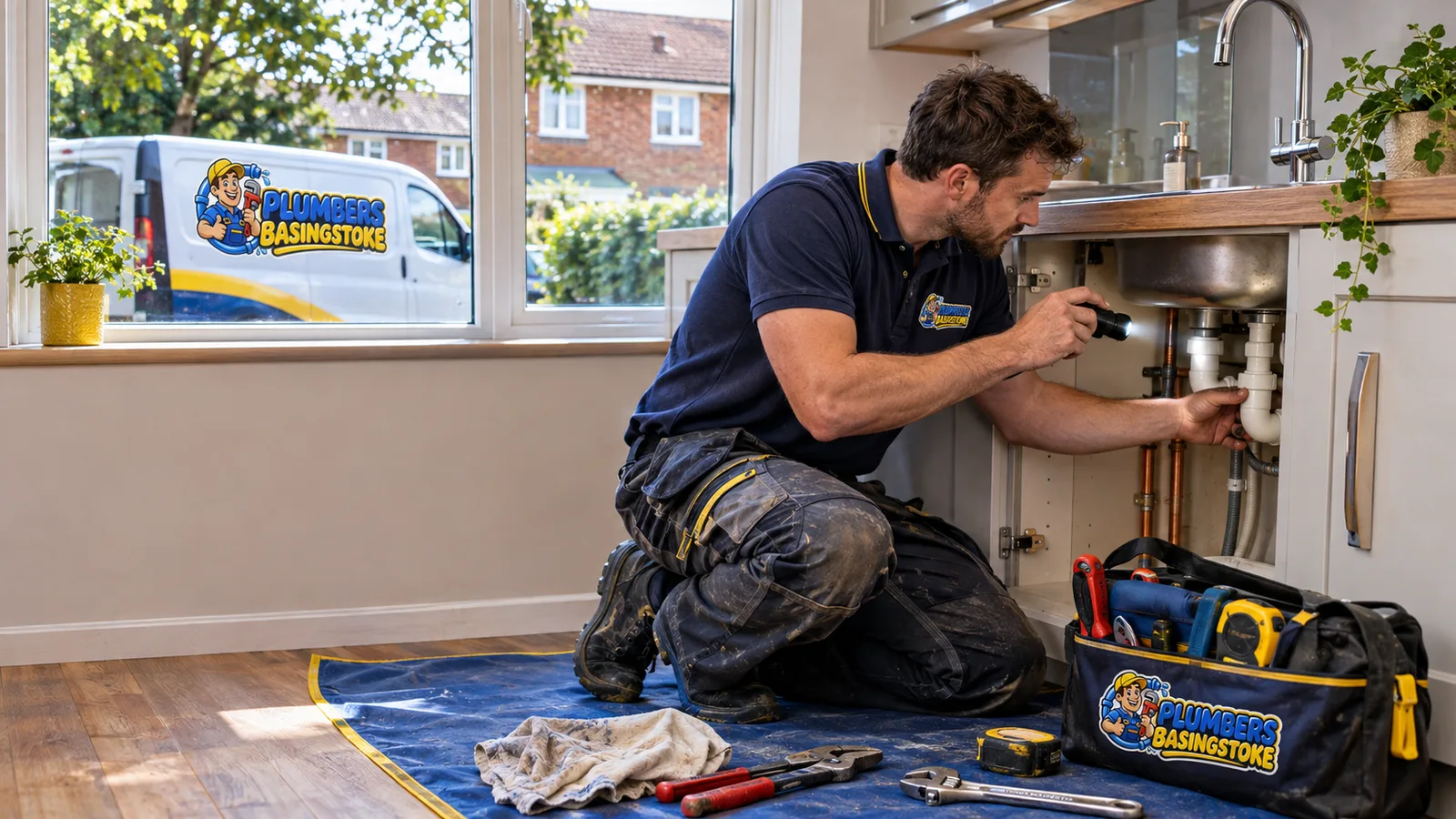 On-site diagnosis
Local plumbing support
When water is escaping, a toilet will not flush or a pipe has started making an unfamiliar noise, you need a Basingstoke plumber who will focus on the fault and explain the next step clearly. Plumbing Basingstoke handles emergency callouts and planned repairs for homes, landlords and local businesses across Basingstoke.
Our work covers leaking pipes and taps, blocked sinks and toilets, faulty valves, damaged traps, overflowing cisterns, low water pressure and problems with visible waste pipework. We also replace worn plumbing fittings and investigate recurring faults rather than repeatedly treating the symptom. Our plumbing and heating team assesses the immediate risk, isolates the water where necessary and agrees the repair before work proceeds.
Basingstoke includes properties of different ages and layouts. Plumbing in an established property around Brookvale may have been altered several times, while homes in Chineham or Beggarwood may use newer plastic supply and waste systems. Access, previous alterations and the location of the stop tap all affect how a repair is approached. The aim is the same in every property: identify the source, protect the surrounding area and complete a sound repair.
Fault finding and repairs
Escaping water can damage floors, ceilings, cabinets and electrical fittings. We trace the source, isolate the affected supply and assess whether the pipe, joint, valve or appliance connection needs repair or replacement.
Standing water, slow drainage and rising toilet water can indicate a local obstruction. The correct method depends on the fixture, pipe route and blockage location; unsuitable chemicals can damage seals or create a hazard.
Dripping taps, stiff isolation valves, toilets that run continuously and cisterns that refill slowly often involve replaceable washers, cartridges, fill valves or flush mechanisms.
Poor flow may come from a partly closed valve, blocked outlet, failing fitting or a wider supply issue. Testing several outlets helps separate a local fault from a property-wide problem.
Leaks and smells around sinks, basins and appliances may involve loose compression joints, damaged traps, failed seals or poorly supported waste pipework.
Small faults are easier to manage before they cause water damage. Planned visits can address worn fittings, persistent drips and unreliable toilets at an agreed time.
Urgent damage control
A plumbing emergency is any fault that is actively damaging the property, creating a hygiene risk or leaving an essential facility unusable. Examples include an uncontrolled leak, a burst supply pipe, sewage backing up through a fixture or a toilet blockage where there is no usable alternative.
Our 24-hour plumbing service can assess urgent faults outside normal working hours. The first priority is to control the water and make the situation safe. A permanent repair may be completed during the visit when the fault is accessible and the required parts are available. If specialist parts or further access are needed, the plumber can carry out an appropriate temporary measure and explain the follow-up work.
While help is on the way, turn off the nearest working isolation valve or the property's internal stop tap if it is safe to do so. Keep clear of water near sockets, appliances or the consumer unit. If water is close to electrical equipment, do not touch the equipment or stand in the wet area. Avoid removing ceilings, forcing seized valves or dismantling pressurised fittings.
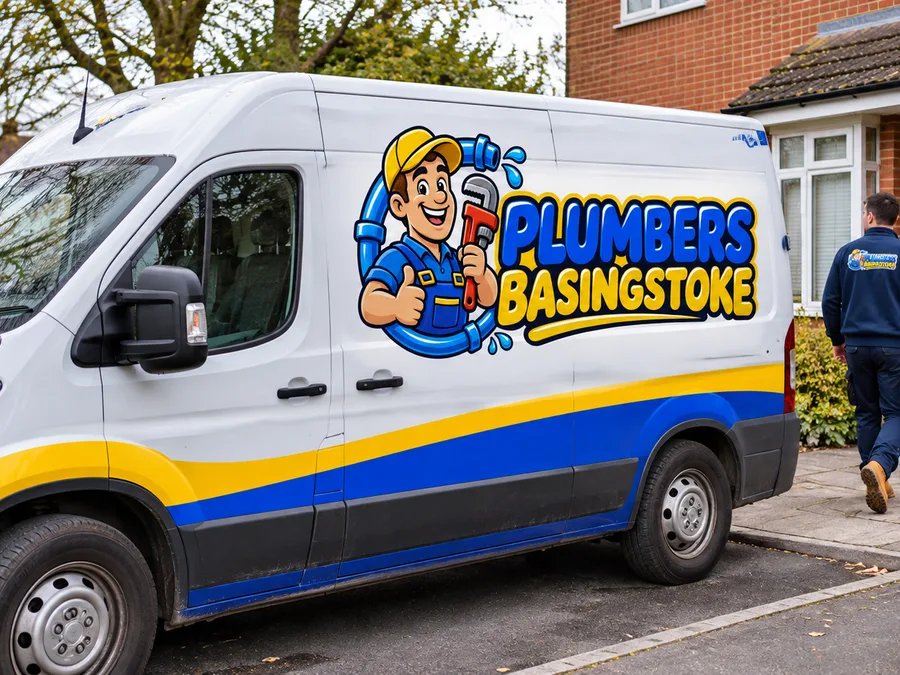
Explain what is happening, when it started and whether water is still escaping. Details such as the affected fixture, visible staining and any change in pressure help determine the urgency.
On arrival, the plumber checks for active water flow, contamination and hazards near electrical fittings. The relevant supply can then be isolated without unnecessarily cutting water to unaffected areas where the system allows.
Diagnosis may include visual inspection, pressure and flow checks, testing valves, examining seals or opening an accessible trap. The method depends on the symptoms and pipe arrangement.
The plumber explains the likely cause, the proposed repair and any limitations caused by concealed pipework or previous alterations. If further work is needed, the scope is made clear before it starts.
Once repaired, the affected fitting or pipework is tested under normal operating conditions. Joints are checked for leaks, fixtures are run and the work area is left tidy.
Basingstoke property knowledge
The quickest route to a reliable repair is accurate diagnosis. A stain on a ceiling does not always sit directly beneath the source because water can travel along joists or pipework. A sink that drains slowly may have a blocked trap, but repeated trouble can point to a restriction farther along the waste run. Replacing the visible fitting without checking the system can leave the original fault in place.
Housing type also changes the practical work. Established streets in South View can include older plumbing routes and fittings that need careful isolation. Properties in Popley include homes built at different stages, so pipe materials and stop-tap positions can vary between nearby addresses. Newer developments around Rooksdown may have concealed service routes that require methodical testing before access is considered. These are practical reasons to inspect the installation rather than assume every property uses the same layout.
Cold weather can expose vulnerable pipework in lofts, garages and outside runs. Insulation reduces risk, but it should not hide leaking joints or interfere with valves that need to remain accessible. After any freeze, bulging pipe, staining or an unexpected pressure drop should be checked before the affected run is returned to normal use.
Pricing guidance
A routine plumbing visit in Basingstoke typically costs about £80 to £180, while urgent out-of-hours work may start around £120 and rise beyond £300 where extensive labour or parts are required. These are general estimates rather than fixed prices.
The final cost depends on timing, access, diagnosis time, replacement parts and whether water damage or concealed pipework complicates the repair. A tap cartridge is usually simpler than tracing a leak beneath flooring. The exact cost is confirmed after the fault has been assessed during the visit.
Careful repair standards
A competent repair starts with the right checks. Compression fittings, push-fit connectors, soldered copper joints and threaded valves each fail in different ways and require compatible parts. Waste systems also need the correct fall, support and jointing method. Tightening a fitting without understanding its condition can deform a seal or crack a plastic component.
We look for the cause and the condition of the surrounding installation. If a flexible hose has failed, for example, the connected isolation valve and accessible fittings should also be checked. If a toilet keeps filling, the water level, fill valve and flush seal all need attention. This approach gives you a clearer account of what has failed and what the repair involves.
Plumbing Basingstoke can also help property owners decide whether an isolated repair is sensible or whether visibly deteriorated fittings should be replaced during the same visit. Any additional work should have a practical reason, and you should understand that reason before agreeing to it.
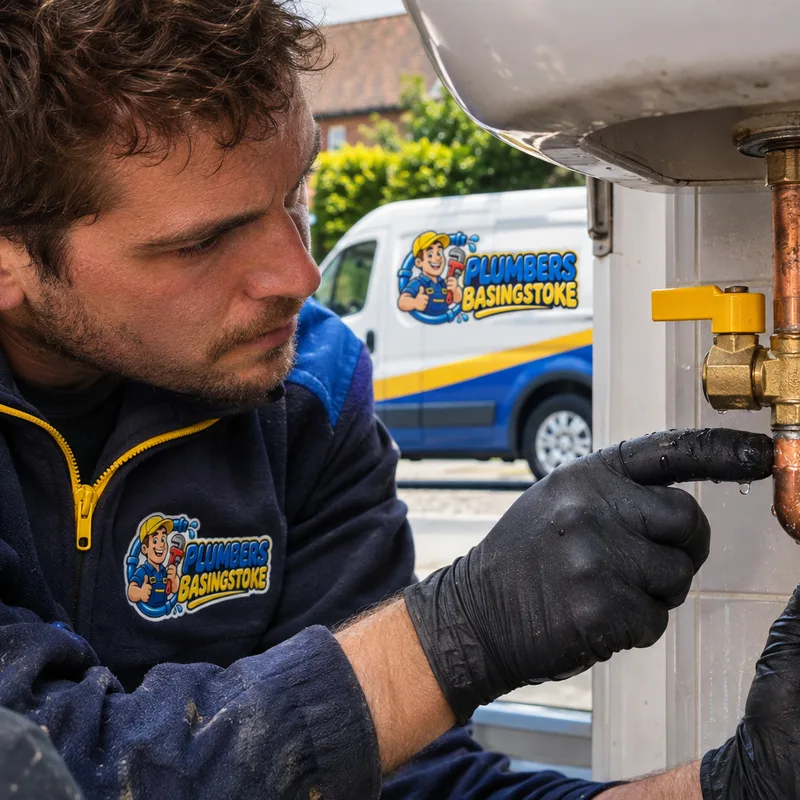
If a leak, blockage or faulty fitting needs attention, describe the symptoms and whether the problem is active so the urgency can be assessed promptly.
Call for Emergency HelpCommon questions
Yes, emergency plumbing support is available day and night for faults that cannot safely wait. Active leaks, burst pipes, sewage backing up and the loss of the only usable toilet are common reasons for an urgent visit. Be ready to explain whether the water is isolated and whether it is near electrical fittings.
Response time depends on your location, road conditions and the jobs already in progress when you make contact. Access within Basingstoke can vary during busy travel periods, so provide the correct postcode, parking or entry instructions and a clear description of the fault. You should be given a realistic arrival estimate once availability is checked.
Turn off the affected fixture's isolation valve or the main internal stop tap if it is safe and you know where it is. Move belongings away from the water, use containers or towels to limit spread and keep people away from contaminated wastewater. Do not touch electrical equipment in a wet area.
Many accessible faults can be repaired during the first visit when the necessary parts are available. Concealed leaks, damaged specialist fittings or blockages farther along a pipe run may require further investigation or a return visit. The plumber should explain whether the initial work is permanent or temporary.
The main cost factors are the time of the callout, labour required, access to the fault and the parts used. A visible failed valve is generally quicker to assess than a leak concealed beneath a floor. Parking constraints, isolation difficulties and previous alterations can also add time, so the price is confirmed after inspection.
Yes, Plumbing Basingstoke can assess a blocked toilet, especially when water is rising, wastewater is escaping or no alternative toilet is available. Stop flushing once the water level rises. The plumber will determine whether the obstruction is in the pan, trap or connected waste pipe before choosing a clearing method.
A leak inside the property or on internal plumbing usually requires a plumber, while a problem in the public water network should be reported to the relevant water supplier. If you are unsure, check whether the leak changes when the internal stop tap is closed. Do not attempt to operate equipment in the street.
Local emergency support
Tell us what has gone wrong, where the fault is located and whether water is still escaping. We will assess the urgency and explain the next practical step.